

Introduction
What current source actually provides
Epusdt is a self-hosted crypto payment gateway written in Go.
The GMWalletApp organization also maintains GMPay Edge, a separate gateway for Cloudflare Workers or Bun/Nitro Docker. It shares the GMPay/EPay merchant-protocol context, but it is not the same runtime or deployment model as Epusdt.
For digital-goods stores, see GMShop Edge, a separate Cloudflare Workers storefront for catalog, checkout, fulfillment, and administration.
Current source exposes two public order-entry flows:
- GMPay —
POST /payments/gmpay/v1/order/create-transaction - EPay Compatible —
GET/POST /payments/epay/v1/order/create-transaction/submit.php
It also exposes:
- Hosted cashier pages under
/pay/* - Network switching for hosted checkout:
POST /pay/switch-network - Public payment config for frontend/cashier bootstrapping:
GET /payments/gmpay/v1/config - Admin API under
/admin/api/v1/*for API keys, chains, chain tokens, wallet addresses, notification channels, and settings - Admin rate settings that can use either an exchange-rate API URL or a forced USDT rate; if you rely only on the forced rate, the API URL can be left empty
Security Audit
Epusdt has completed a third-party security audit. View Security Audit Report
Credential model
The live gateway no longer relies on a single global merchant key in the payment API docs.
Instead, each merchant uses an API key row created in the admin panel:
pidsecret_key- optional
ip_whitelist - optional default
notify_url
Incoming GMPay and EPay requests are both identified by pid and signed with the matching row's secret_key.
Supported chains and tokens
Current source does not hardcode one public list in the docs layer.
The GET /payments/gmpay/v1/config response is computed from live admin data.
Its data.supported_assets field is built from:
- enabled
chains - enabled
chain_tokens - available
wallet_address
The same response also includes public site/cashier branding plus EPay / OkPay frontend config fields.
So the real supported networks/tokens depend on what the operator enabled in the admin console.
First-time setup
If no config file is present on first boot, Epusdt launches a built-in install wizard. Complete database, domain, and initial settings in the browser, then continue managing runtime data from the admin UI/API.
Screenshots
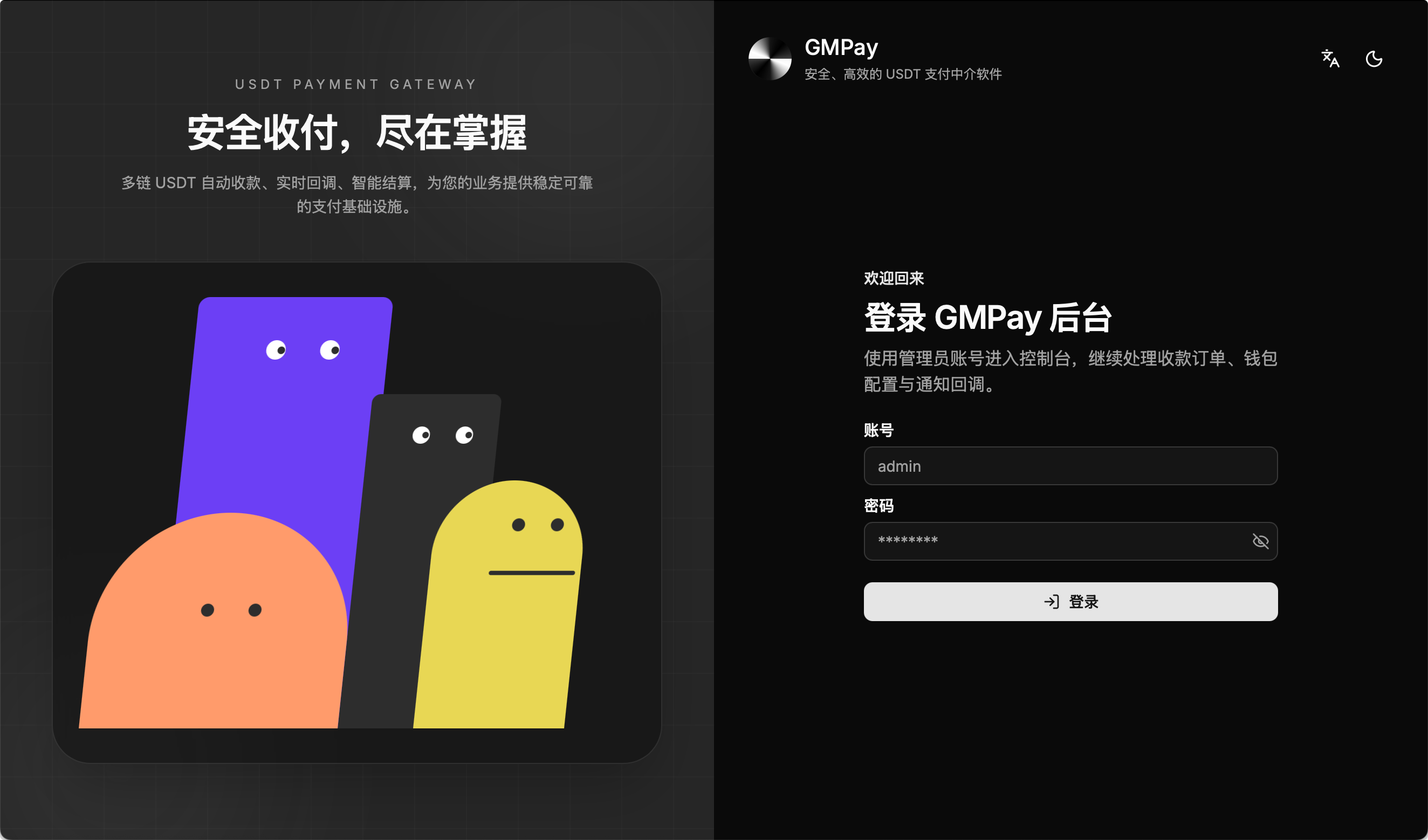 Dashboard Overview | 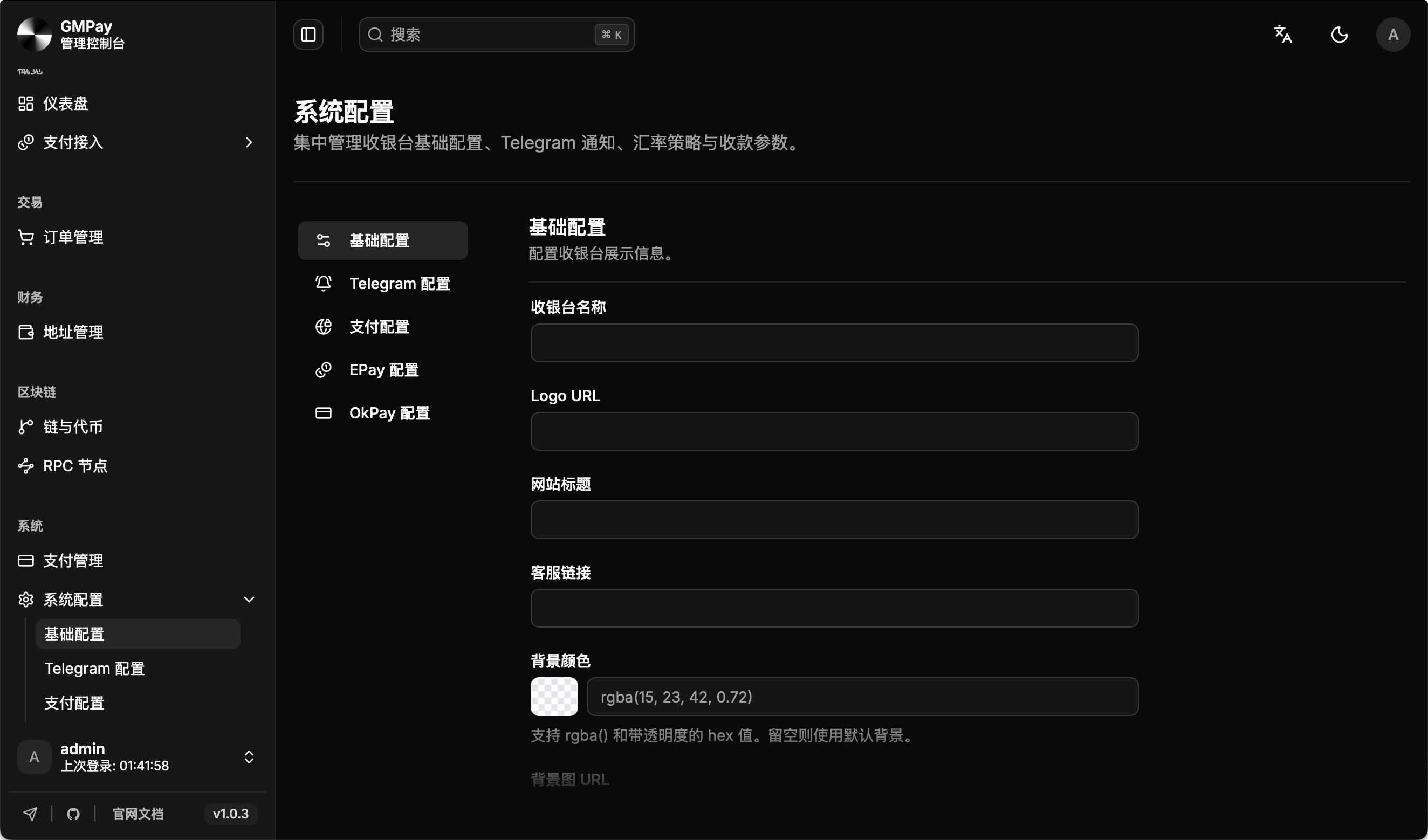 Admin Panel | 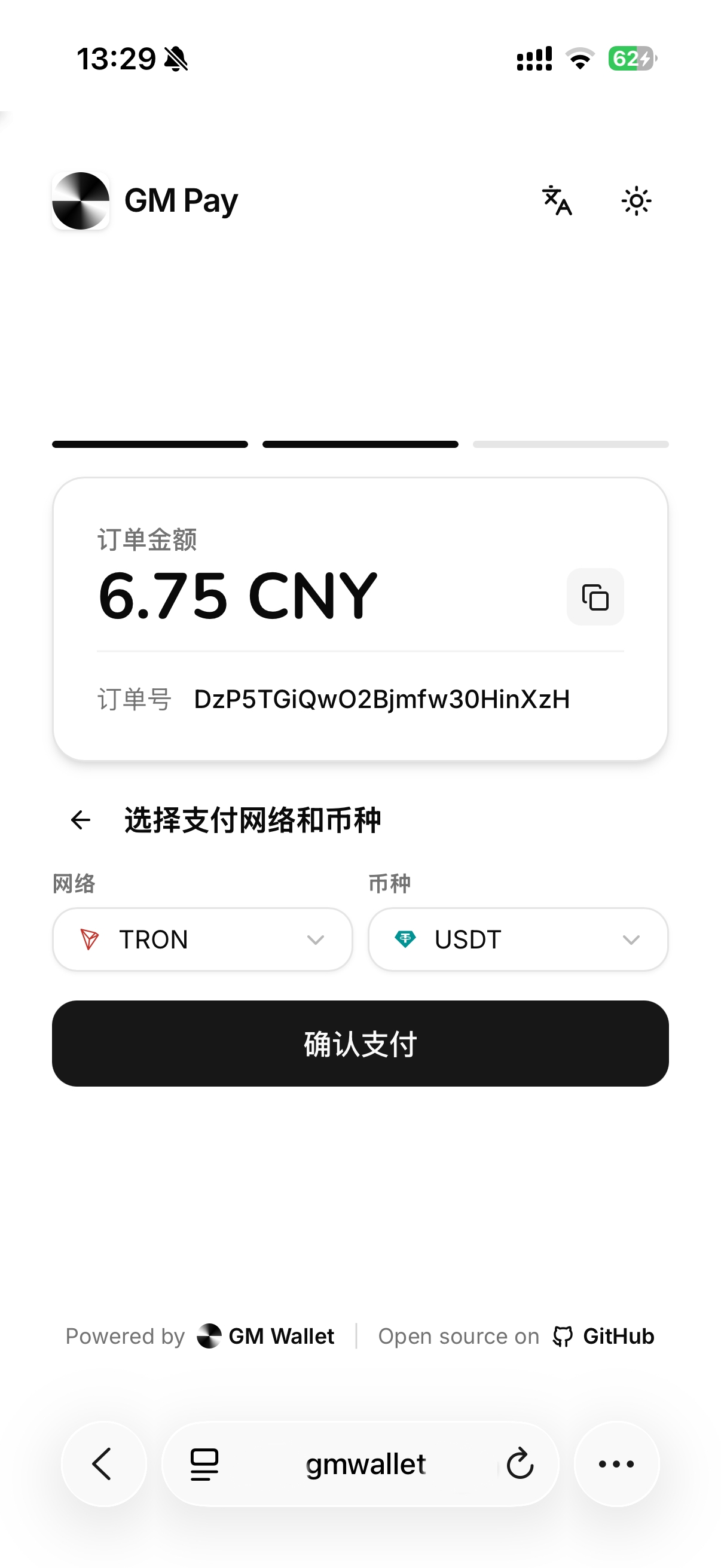 Checkout Page | 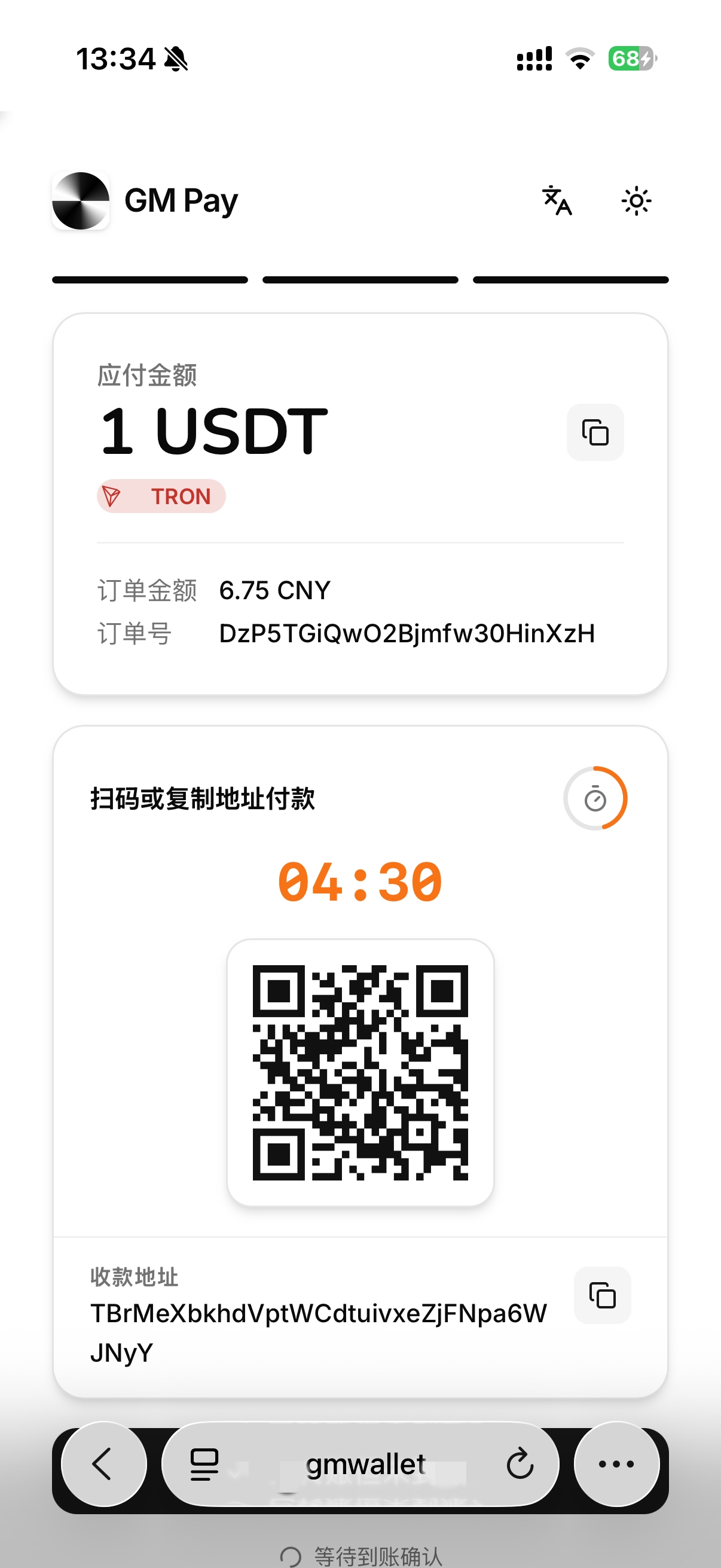 Payment Page |